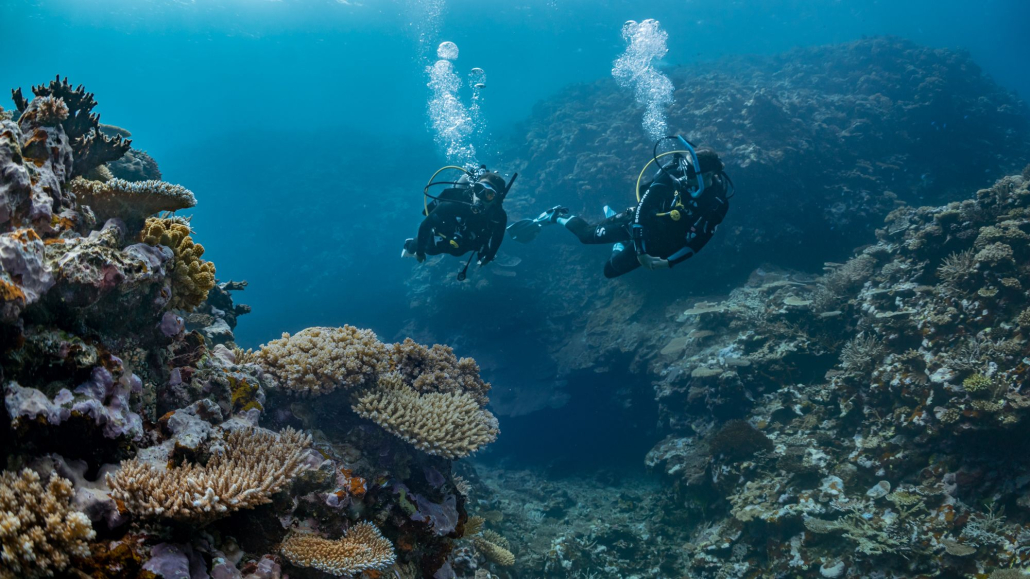
Divers over a sunlit coral reef in Amed, Bali, in the dry season

The best time to dive in Bali depends on what you want to see and where you’re diving. We’re PADI instructors based in Amed, on the northeast coast, so here’s the practical version: you can dive in Bali all year, but some months suit some sites and some divers better than others.

Best Time to Dive in Bali at a Glance

MonthsSeasonWhat to expect
April to JuneDry, shoulderCalm seas, good visibility, fewer crowds
July to OctoberDry, peakClearest, driest weather. Mola mola at Nusa Penida, but cooler water there
November to MarchWetWarmer water, more rain, variable visibility. Amed often stays diveable

Dry Season (April to October)

This is the most popular time, and for good reason.

  • Better visibility and mostly sunny days
  • Calmer seas on Bali’s northeast coast, including Amed and Tulamben
  • Mola mola season at Nusa Penida from about July to October, though sightings are never guaranteed
  • Busiest months are July and August, so book ahead

The trade-off is that Nusa Penida’s water can turn much colder in this period because of upwellings, so you need a thicker wetsuit there.

Wet Season (November to March)

The wet season brings warmer water and a lot of rain, but it doesn’t shut diving down.

  • Showers are often short, and mornings are frequently fine
  • Visibility can drop after heavy rain because of runoff, and it varies from day to day
  • Fewer divers at most sites, and often lower prices
  • The south and west coasts can get rougher, so conditions depend on the site

The northeast coast is usually more sheltered, which makes Amed a good wet-season base. We always check the day’s sea and visibility before we decide on a site.

Best Time to See Marine Life in Bali

  • Mola mola (ocean sunfish): about July to October at Nusa Penida
  • Manta rays: seen year-round at Nusa Penida, never guaranteed
  • Macro life (nudibranchs, shrimps, frogfish): good all year in Amed and Tulamben
  • Turtles and reef fish: all year on Amed’s reefs

Best Time to Dive in Bali for Beginners

Pick calm water, and choose the site as much as the month. Amed is one of the gentlest places in Bali to learn, with shore entries and little current for much of the year. The dry season gives the easiest conditions, but beginners can learn well here in the wet season too. Start with our guide to scuba diving in Amed, then try a PADI Discover Scuba Diving session or the PADI Open Water Diver course.

Best Time of Day to Dive

Early morning is usually best. The sea is calmer, visibility is often better, and popular sites like the Liberty Wreck in Tulamben are quieter before the crowds arrive.

Which Site for Which Month?

  • Amed and Tulamben: diveable all year, with the calmest conditions in the dry season
  • Nusa Penida: mola mola in the dry season, but stronger current and cooler water.
  • Other Bali sites: conditions vary by coast and season, so ask a local operator

How We Dive Here

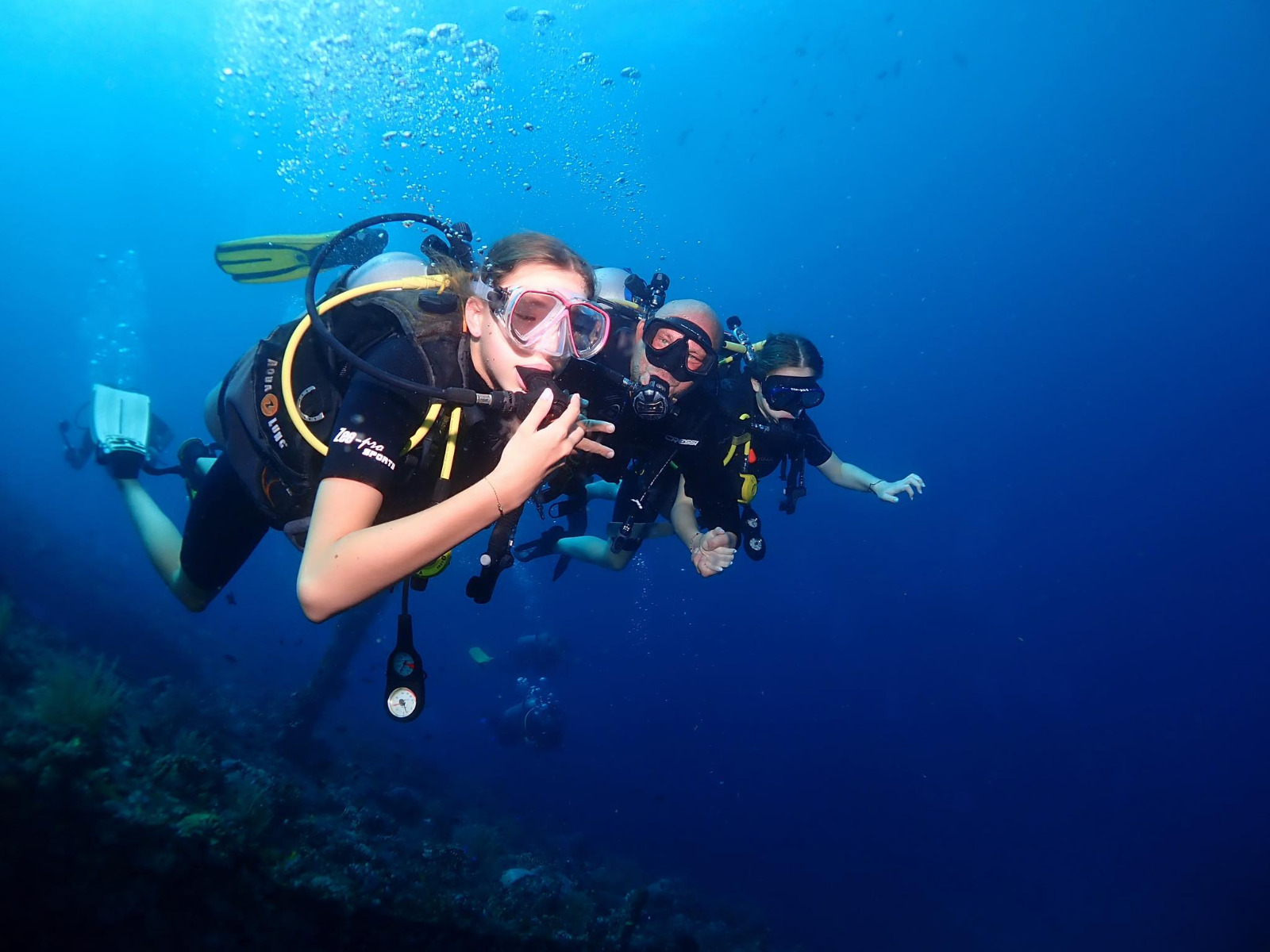
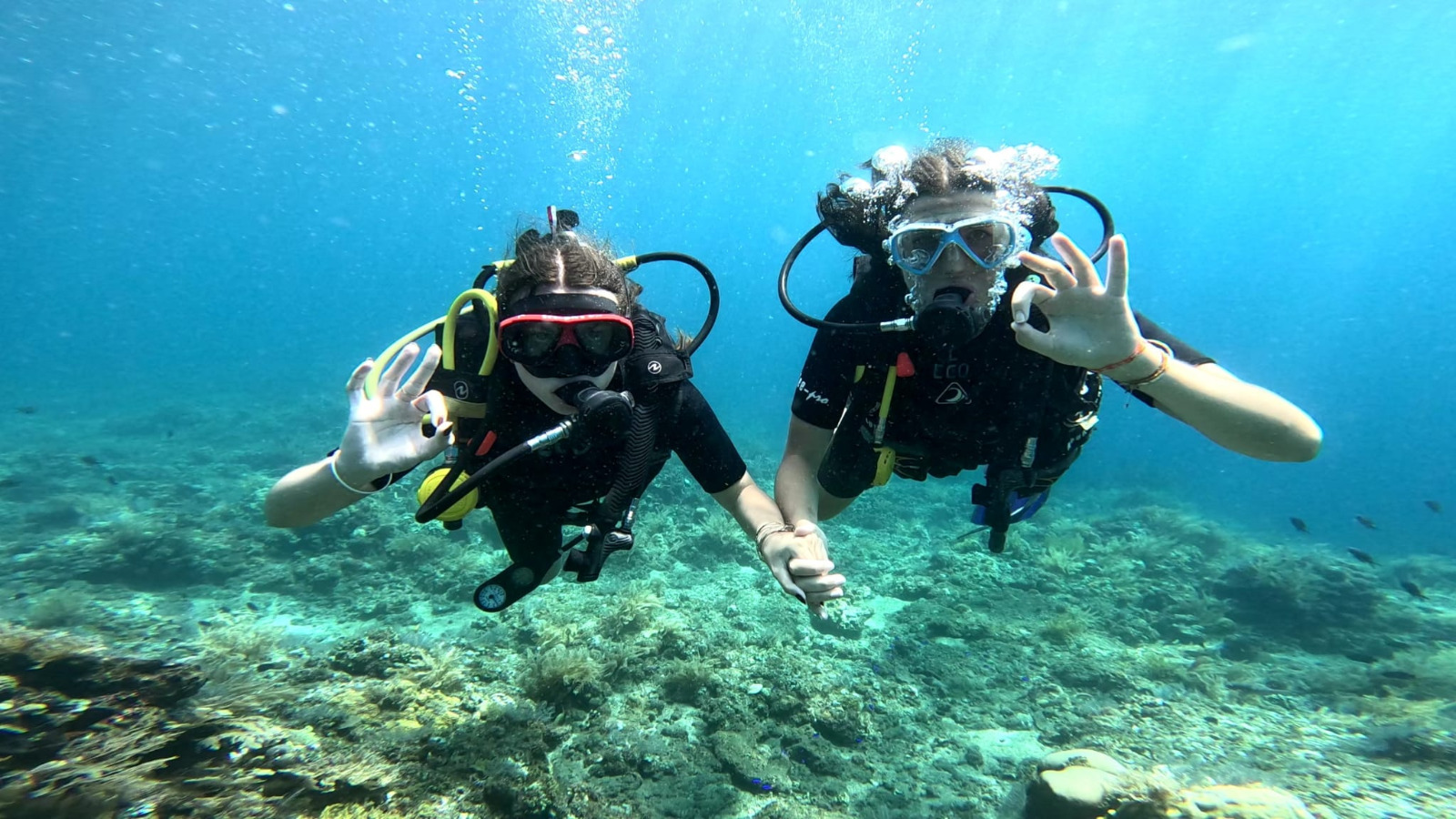
Our groups are small: usually 1 instructor to 2 students, never more than 4. We teach at your pace, we plan each dive around the day’s conditions, and we change the plan if the sea isn’t right.
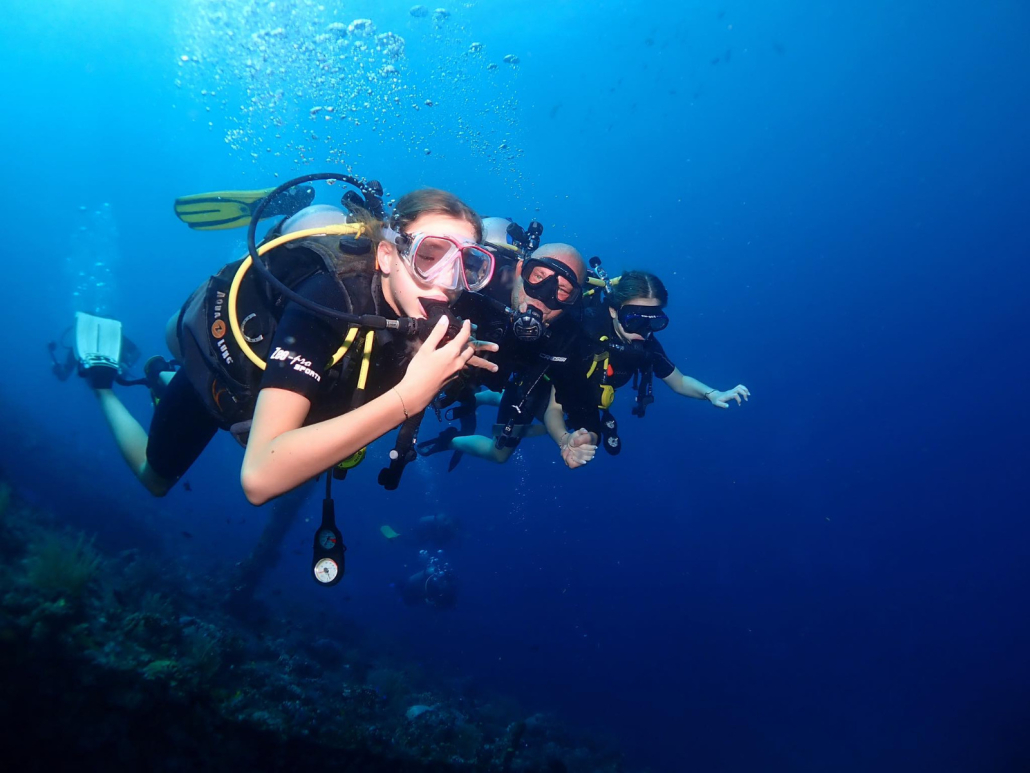
PADI instructor with two students during a small-group scuba lesson in Amed

Best Time to Dive in Bali FAQ

What is the best month to dive in Bali?
For most divers, July to September, when the weather is driest and visibility is good. If you want to avoid crowds, try April to June or late October.

Can you dive in Bali in the wet season?
Yes. Rain is common, but Amed and Tulamben often stay diveable. Visibility varies, so stay flexible.

When is mola mola season in Bali?
Roughly July to October at Nusa Penida. Sightings are never guaranteed.

What is the water temperature in Bali?
Typically warm and comfortable, but Nusa Penida can be much cooler during upwellings.

When is the quietest time to dive in Bali?
Outside July, August and the Christmas to New Year period.

Do I need to book ahead?
In July, August and late December, yes.

Plan Your Dive Trip With Us

Not sure when to come? Get in touch with your dates and we’ll tell you what to expect.
Amed Sunset: Where to Watch, When to Go and What to Expect

If you’re planning a trip to the northeast coast, the Amed sunset deserves a spot on your list. It’s quieter than Bali’s famous west-coast sunsets, and it’s a different kind of show. We’re PADI instructors based here, and after a morning of diving, a sunset on the beach is how most of our students end the day.

How the Amed Sunset Is Different

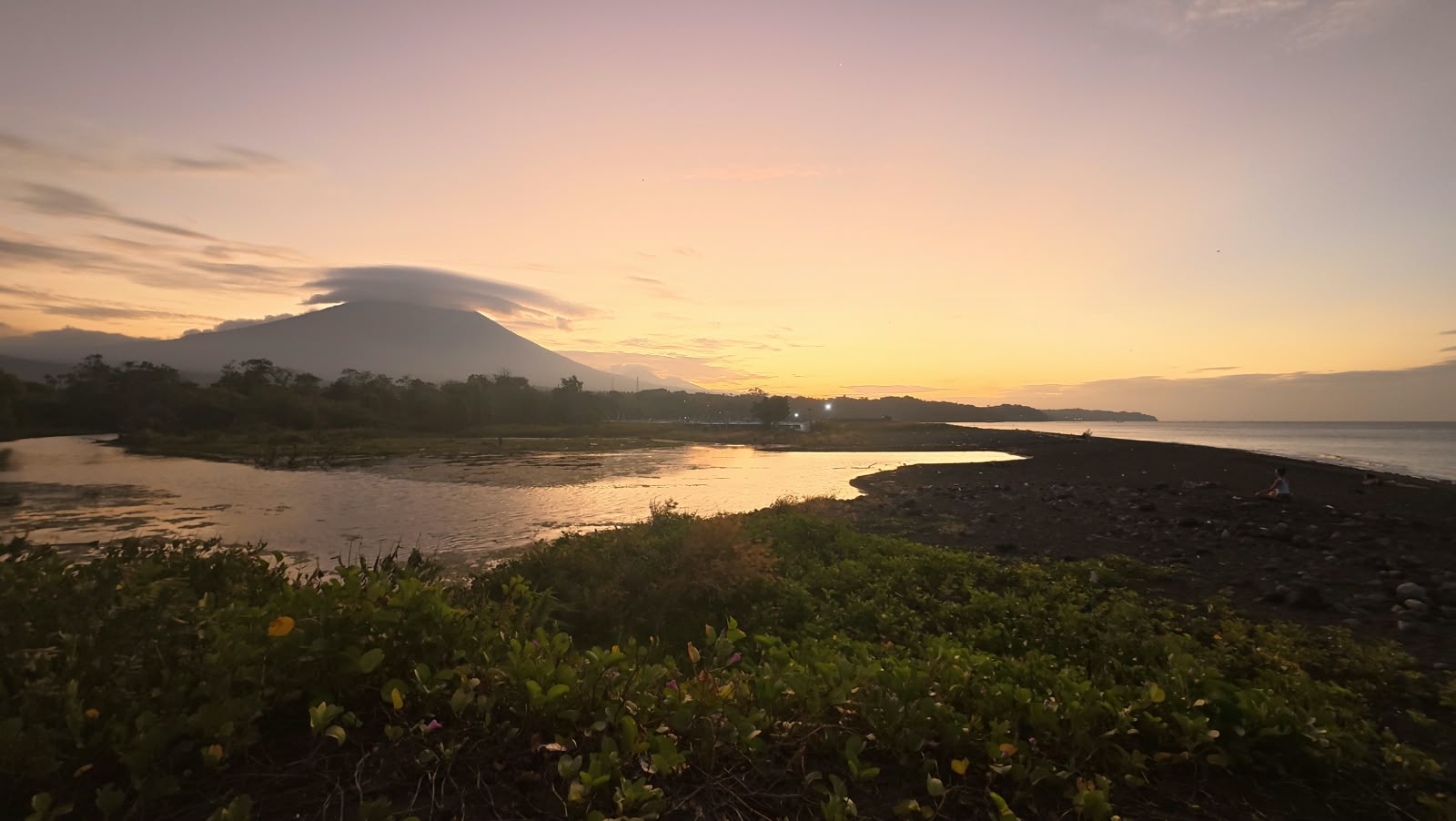
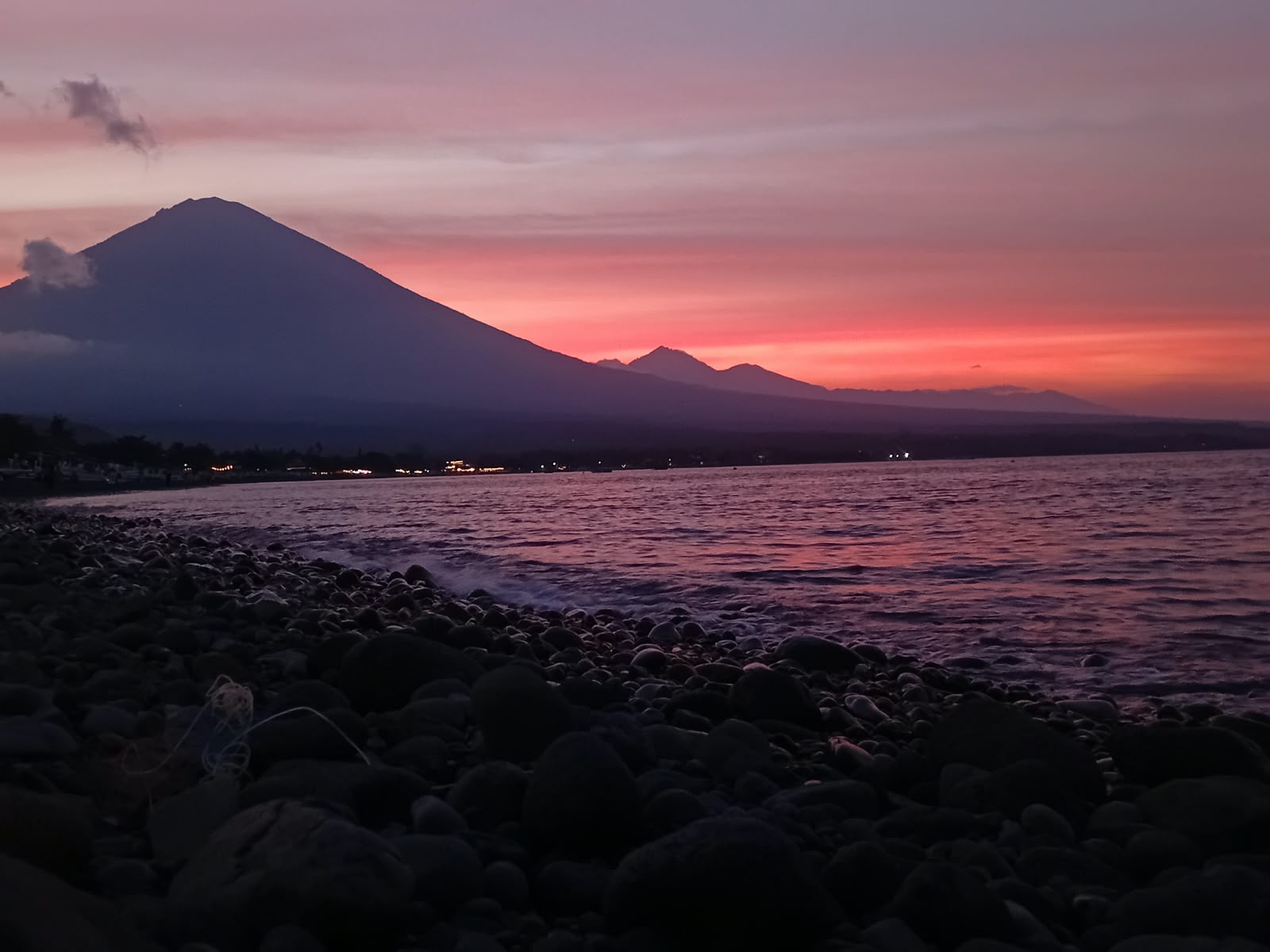
Amed faces east, so the sun doesn’t drop into the sea here. It sets behind the hills and Mount Agung inland. You don’t get the classic “sun touching the horizon” shot, but you get something nice in return:

  • Warm golden light on the black sand and colourful jukung fishing boats
  • The volcano turning to a dark silhouette against an orange sky
  • Pink and purple colours reflecting over the water after the sun is gone
  • Far fewer people than the west coast

On a clear evening you can also see the sea glowing and, sometimes, Lombok across the strait.

Best Spots to Watch the Amed Sunset

  • Jemeluk Bay: the easiest choice. Sit on the beach or at a seafront warung, with boats on the sand and the reef just in front of you.
  • Lipah Beach: a wide, calmer stretch of black sand with plenty of space to yourself.
  • Bunutan: a quiet, local-feeling corner of the coast, good if you want to avoid the crowds.
  • The hill viewpoints above Jemeluk: a higher view over the bays, worth the short climb for photos.

What Time Is the Amed Sunset?

Bali sits close to the equator, so sunset stays fairly steady all year, usually between about 5:45 and 6:20 pm. Because the sun goes behind the hills, the light fades a bit earlier than the official time. Aim to arrive 45 minutes early and stay about 20 minutes after, when the sky colours peak.

Best Time of Year for an Amed Sunset

The dry season, roughly April to October, usually gives clearer skies and better views of Mount Agung. In the wetter months, clouds can hide the volcano, but you still often get a good evening glow between showers. Check the sky around mid-afternoon and decide then.

Plan Your Day: Dive in the Morning, Watch the Sunset in the Evening

Morning is usually the best time to dive in Amed. The sea is calm and the visibility is good, which also keeps beginners relaxed. That leaves your afternoon and evening free for the beach.

Interested in diving while you’re here? Our small groups are usually 1 instructor to 2 students, never more than 4, and we teach at your own pace. See our PADI Discover Scuba Diving and PADI Open Water Diver course, or read our guide to scuba diving in Amed.

Scuba divers relaxing on the beach after a day of diving, enjoying the Amed sunset

Tips for Enjoying the Amed Sunset

  • Arrive early and pick your spot before the light changes
  • Bring a light layer, since it can cool off after dark
  • Carry a small torch or use your phone light for the walk back
  • Order dinner at a beachfront warung and watch the show from your table
  • Take care on scooters after dark, as roads can be dim and uneven
  • Keep your camera ready for the colour after the sun has gone, not only before

Amed Sunset FAQ

Can you see the sun set over the sea in Amed?
Not usually. Amed faces east, so the sun sets behind the hills and Mount Agung. The colours reflect on the sea afterwards.

What is the best place to watch the Amed sunset?
Jemeluk Bay is the easiest and most popular. Lipah Beach and Bunutan are quieter.

Is Amed good for sunrise too?
Yes. Because Amed faces east, sunrise over the water is the highlight for many visitors.

What time should I arrive?
About 45 minutes before the listed sunset time.

Can I dive and watch the sunset on the same day?
Yes. Dive in the morning, rest in the afternoon and watch the sunset in the evening.

Book Your Amed Trip With Us

Want to see Amed from below the surface as well as from the beach? Get in touch and we’ll help you plan your dives around your days here.

Learn to Scuba Dive in Amed, Bali

PADI instructor with two students during a small-group scuba lesson in Amed

Scuba diving Amed style means calm water, reefs that start right off the beach, and Mount Agung behind the black sand. Our PADI instructors are laid-back, patient and careful, and they’ll teach you at your own pace.

Small-Group Scuba Diving in Amed

Small-group scuba diving in Amed, Bali, with two students and one instructor

Our usual ratio is 1 instructor to 2 students. We never go above 4 students per instructor.

That means your instructor actually sees how you’re doing: your breathing, your ears, your buoyancy, and whether you’re relaxed or a bit tense. Nobody gets rushed, and nobody gets left behind. If you need more time on a skill, you get it.

Safety and Comfort Come First

  • Your pace. We never push you through a skill or a depth you’re not happy with. Take your time.
  • Shallow first. You practise in calm, shallow water before going to the reef.
  • Proper briefings. We explain everything before you get in the water.
  • Gear that fits. We take time to fit your mask, wetsuit and BCD, because a leaky mask ruins a dive.
  • Sensible dive planning. We pick sites and depths to suit you and the day’s conditions, and we change the plan if the sea isn’t right.
  • Constant supervision. You’re never on your own underwater.
  • Medical check. Everyone fills in a short health questionnaire. Some people need a doctor’s sign-off, which is standard.

Nervous? Tell us. Plenty of our students were, and most end up grinning after the first dive.

Where to Start

PADI Discover Scuba Diving (try dive): No experience needed. You learn the basics, practise in shallow water, then do a guided reef dive to 12 m (40 ft). It can count toward your Open Water course later.

PADI Open Water Diver course: The world’s most popular scuba certification. You’ll be qualified to dive with a buddy to 18 m (60 ft). It includes eLearning, pool or shallow-water skills, and four ocean dives. Most people finish in 3 to 4 days. Juniors can start from age 10 with PADI Junior Open Water.

You don’t need to be a strong swimmer or an athlete. If you’re comfortable in the water and in reasonable health, you can do this.

Amed Dive Sites

  • Jemeluk Bay: sheltered, sloping reef, good for training and first dives
  • Lipah Bay: calm water, regular turtle sightings
  • The Pyramids: artificial reef covered in growing coral
  • Japanese Wreck: small shore wreck for certified divers
  • USAT Liberty Wreck, Tulamben: short drive away, one of Bali’s best dives, usually for certified divers

We choose the site on the day, based on conditions and your experience.

Quick Tips Before You Scuba Dive

  • Breathe all the time and never hold your breath
  • Equalise your ears early and often, and never force it
  • Stay with your buddy and instructor
  • Drink water, skip the alcohol the night before, and eat light
  • Use reef-safe sunscreen or wear a rash guard
  • Don’t fly for 18 to 24 hours after diving

FAQ

How many students are in a group?
Usually 2 per instructor, with a maximum of 4.

Is scuba diving safe for beginners?
Yes, when you learn from trained instructors, in small groups, with a conservative plan. That’s how we run it.

How long does the Open Water course take?
Usually 3 to 4 days, less if you finish the eLearning before you arrive.

How deep can I go?
12 m on a Discover Scuba Diving dive, and 18 m once you’re Open Water certified.

Can I dive the Liberty Wreck as a beginner?
It’s usually dived by certified divers. Do your Open Water with us first, then we’ll take you to Tulamben.

Does PADI certification expire?
No. A refresher is a good idea if it’s been a while since you last dived.

What should I bring?
Swimwear, a towel, reef-safe sunscreen and your medical form. We supply the gear.

Book Your Scuba Dive in Amed

Ready to try scuba diving in Amed? Get in touch and we’ll sort out a time that suits you.